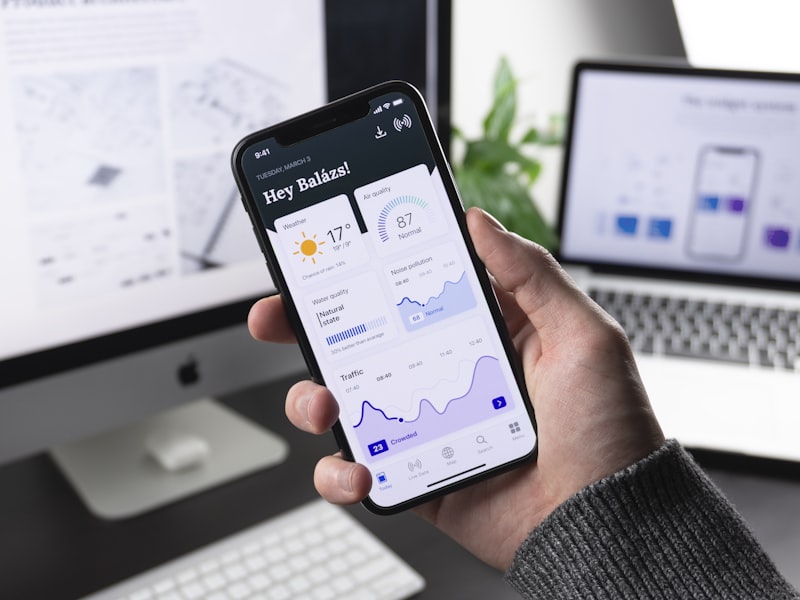
The mobile app development landscape in 2026 is marked by convergence, intelligence, and performance. Here are the key trends shaping how we build mobile experiences.
Cross-Platform Dominance: React Native and Flutter have matured to the point where the performance gap with native development is negligible for most applications. React Native's new architecture with Fabric renderer and TurboModules delivers near-native performance, while Flutter 4's Impeller rendering engine provides buttery-smooth animations.
AI-First Features: Users now expect intelligent features — smart search, personalized recommendations, predictive text, and image recognition. On-device ML frameworks like Core ML and TensorFlow Lite make it possible to add these features without compromising privacy.
Super App Architecture: Inspired by WeChat and Grab, businesses are building platform apps that integrate multiple services — payments, messaging, e-commerce, and bookings — into a single application.
5G-Enabled Experiences: With 5G networks expanding globally, apps can now deliver high-quality streaming, real-time collaboration, and AR/VR experiences without the constraints of bandwidth limitations.
Privacy-First Design: Apple's App Tracking Transparency and Google's Privacy Sandbox have made privacy a core design requirement. Successful apps are those that deliver personalization while respecting user privacy.
Progressive Web Apps: PWAs continue to gain traction as a cost-effective alternative to native apps for businesses that need mobile presence without app store distribution.
For businesses planning mobile development, the choice between native and cross-platform should be driven by specific use cases rather than ideology.