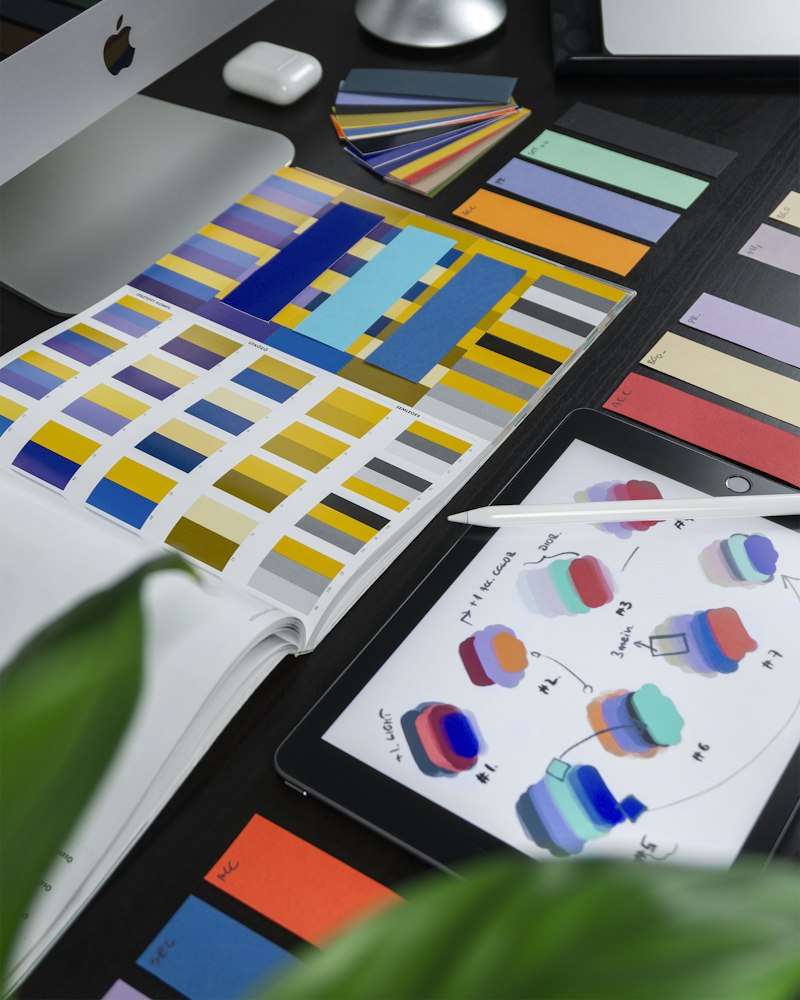
The design landscape in 2026 reflects a shift toward more intelligent, inclusive, and emotionally resonant digital experiences. Here are the trends shaping modern UI/UX.
Spatial Design: With Apple Vision Pro and Meta Quest gaining adoption, designers are thinking beyond flat screens. Spatial design principles — depth, layering, and 3D interactions — are influencing even traditional web and mobile design.
Adaptive Interfaces: Interfaces that adapt to user behavior, preferences, and context are becoming standard. Dynamic layouts that reorganize based on usage patterns, time of day, and user expertise level create personalized experiences.
Micro-Interactions with Purpose: Thoughtful micro-interactions — button animations, loading states, and transition effects — are being used strategically to provide feedback, guide users, and add delight without slowing down the experience.
Inclusive Design as Default: Accessibility is no longer an afterthought. WCAG 2.2 compliance, color contrast automation, screen reader optimization, and inclusive language are built into design systems from the start.
Dark Mode and Theming: System-level dark mode support is expected. Beyond light/dark, brands are offering multiple theme options that align with user preferences and environmental conditions.
Variable Fonts and Typography: Variable fonts enable responsive typography that adapts to screen size and context. Combined with modern CSS, typography is becoming more expressive and functional.
Data Visualization Innovation: As businesses become more data-driven, the demand for intuitive, interactive data visualizations has grown. Libraries like D3.js, Observable Plot, and Recharts are enabling designers to create compelling data stories.
Design Systems at Scale: Mature design systems with component libraries, design tokens, and documentation are essential for consistent multi-product experiences. Tools like Figma, Storybook, and Style Dictionary form the modern design system stack.