Most Nepali ecommerce sites do not fail at traffic. They fail between the product page and the confirmation screen, in a handful of predictable places: a payment method the customer does not trust, a delivery promise nobody believes, and a checkout that asks for more than the purchase is worth. The fixes are unglamorous and they are worth more than another month of ads.
Make payment effortless and familiar
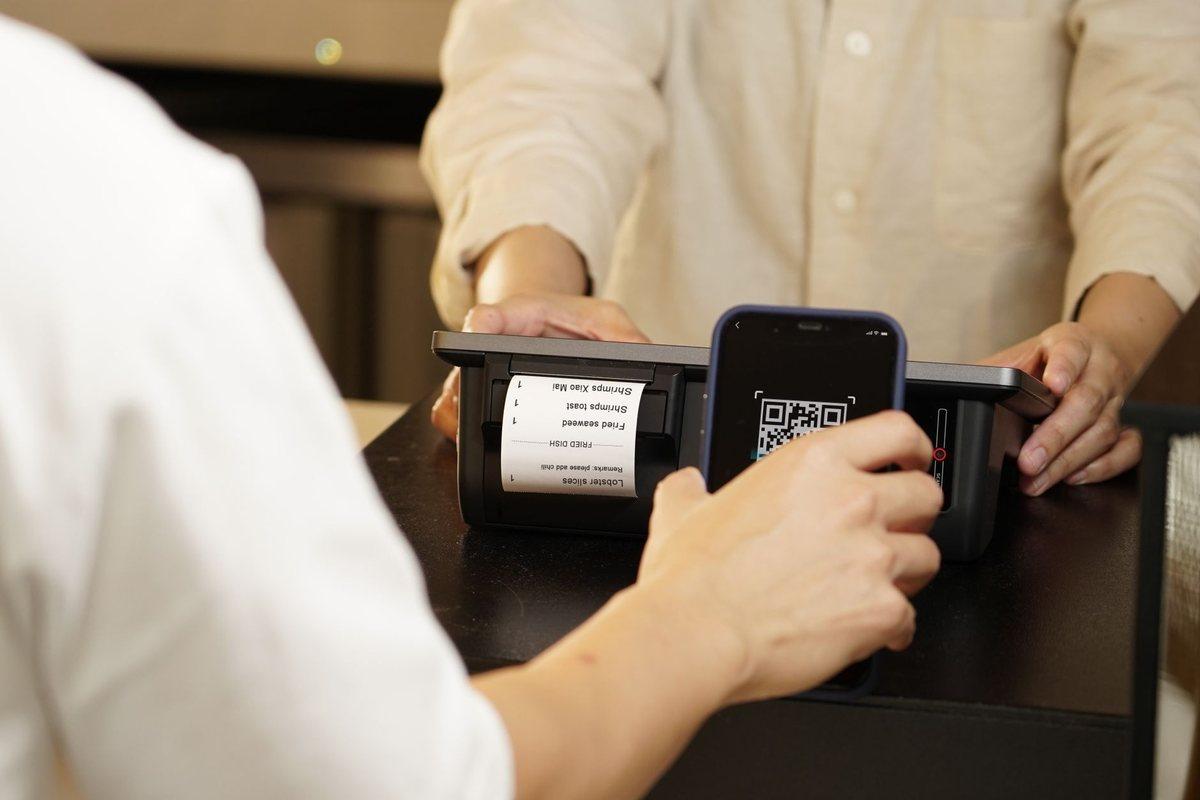
Offer the methods your customers already use, not the ones that are cheapest to integrate. In Nepal that means eSewa, Khalti, IMEPay, connectIPS and mobile banking, alongside cash on delivery, and for anyone selling abroad a card processor as well. Every method you leave out is a segment of buyers who reach the last step and stop.
- Show the payment logos on the product page, not only at checkout. Seeing a familiar wallet early is what stops the customer leaving to check.
- Cash on delivery still carries a large share of transactions and it is not going away because a Western guide disapproves of it. Price the return risk in rather than refusing the method.
- Handle the failed-payment path deliberately. Wallet redirects fail often on mobile data, and a customer who lands on a blank error page is gone. Keep the cart, explain what happened, offer another method.
- Reconcile automatically. Manual matching of wallet settlements against orders is where small stores lose both money and evenings.
- Digital payment integration has its own decisions, covered in digital payments in Nepal: what to integrate.
Earn trust on every product page
A first-time buyer on a site they have never heard of is looking for reasons to leave. Give them reasons to stay, on the page, without making them hunt.
- Real photographs of the actual item, several angles, in natural light. Supplier stock images signal a reseller who may not have the stock.
- A price with everything included, or delivery cost shown before checkout. Surprise charges at the last step are the single largest cause of abandonment.
- Stock status that is true. "Out of stock" told honestly costs one sale; discovered after payment costs the customer.
- A phone number and a Viber or WhatsApp link that a person answers. In this market a large share of buyers want to confirm with a human before paying, and blocking that conversation loses the order.
- Returns and warranty stated in plain language, with the actual number of days.
- Reviews from real customers, including the mediocre ones. A page of nothing but five stars reads as fake and performs like it.
Design the checkout for a phone on mobile data
Nearly all of this traffic is a mid-range Android phone on a mobile connection. Every extra field, script and redirect costs conversions there in a way it never does on the desktop the site was designed on.
- Allow guest checkout. Forcing account creation before a first purchase is the second largest cause of abandonment after surprise shipping costs.
- Ask only for what you need to fulfil the order. Name, phone, address, payment. Everything else can wait until after the sale.
- Use the right input types so the numeric keypad appears for phone numbers, and autofill works.
- Nepali addresses are not a postcode system. Give a district or city selector plus a free-text field, and add a landmark field, because that is what the delivery rider will actually use.
- Show progress and never lose the cart on a back button or a failed redirect.
Plan for delivery, not just the order
The order is the beginning of the work. Decide before launch which areas you deliver to yourself, which go through a courier, and what happens inside the Ring Road versus outside it, because the cost and the timeline are genuinely different. Publish that. A delivery promise you can keep is a competitive advantage in a market where most promises are optimistic.
Then instrument it. The customer should get a message when the order is confirmed, when it ships and when the rider is close, over the channel they actually read, which is usually Viber or SMS rather than email. Most support load in small Nepali stores is people asking where their order is, and it disappears almost entirely when the store tells them first.
Search visibility for a catalogue
Product and category pages are the ones that earn traffic, and both are usually neglected in favour of the homepage. Give every product a unique title and description rather than the manufacturer's copy, which is duplicated across every store selling the same item. Add Product structured data with price and availability so results can show them. Give category pages real introductory copy that helps someone choose. Keep URLs stable when products come back into stock rather than creating a new one, and redirect discontinued products to their category instead of leaving a 404 trail.
The platform decision
Shopify is the right answer for many small stores: it is fast to launch and someone else maintains it, though local payment methods usually need a workaround. WooCommerce gives full control of local payments and costs less in fees, but it is a WordPress site with all the maintenance that implies. A custom build on Next.js makes sense when the catalogue, the pricing rules or the integrations are genuinely unusual, or when the store is one part of a larger product. The trade-offs behind that last choice are in Next.js or WordPress.
Nobody abandons a cart because the animation was not smooth enough. They abandon because of a cost they did not expect or a payment method they did not recognise.
What to measure
Track the funnel by step, not just the final conversion rate: product view, add to cart, checkout start, payment attempt, payment success. The step where the drop is largest tells you what to fix next, and it is rarely where the team assumes. Watch it separately for mobile and desktop, and separately for each payment method, because a wallet with a broken redirect can hide inside a healthy overall number for months.
If you want this built rather than diagnosed, that is our web development service, and the ecommerce industry page covers what we typically build for stores.
Abishek Bimali
Founder & Engineer
Abishek founded SiteCraft Innovation and leads its engineering. He writes about building web and mobile products that hold up in production, for teams in Nepal and abroad.